Understanding Containerized Wastewater Treatment Systems
In today’s rapidly evolving environmental landscape, the management of wastewater is becoming increasingly critical. With the growing urban population and industrial activity, the demand for efficient and compliant wastewater treatment systems is at an all-time high. Containerized wastewater treatment systems provide an innovative solution that addresses various water treatment challenges. These systems are designed to handle everything from domestic sewage to complex industrial effluents, ensuring ease of deployment and operational flexibility while adhering to strict environmental standards.
What are Containerized Wastewater Treatment Systems?
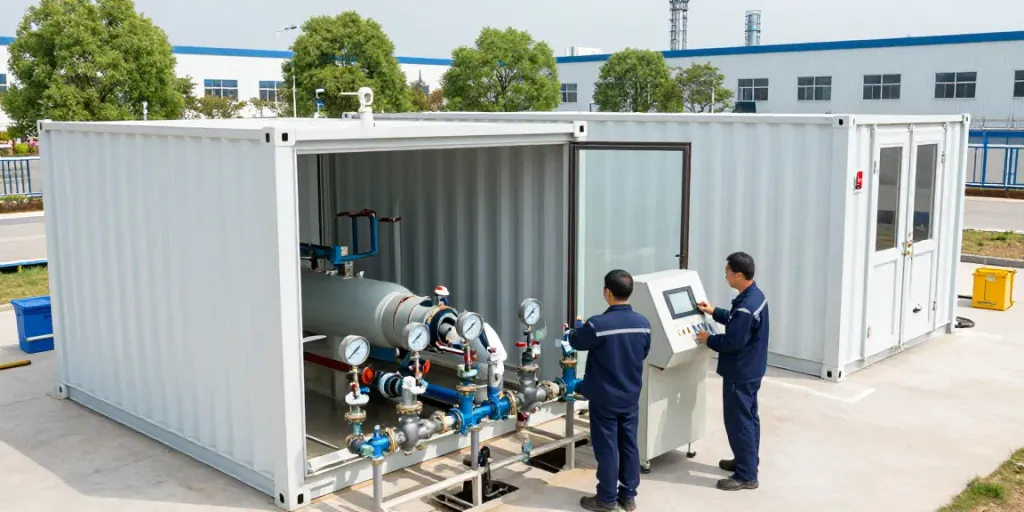
Containerized wastewater treatment systems are modular, pre-engineered units housed within standard shipping containers, typically measuring 20 or 40 feet. These systems are completely equipped with all necessary components for wastewater treatment, including filtration, biological treatment, and disinfection processes. Their inherent modularity allows them to be tailored to specific treatment needs, making them suitable for a broad range of applications—from residential to industrial.
Advantages of Modular Design
One of the most significant benefits of containerized systems is their modular design. This allows for rapid installation and relocation, which is invaluable for projects requiring flexibility. Generally, installation can be completed using a flatbed truck and crane within just one to two days. Such efficiency not only minimizes downtime but also ensures that facilities can be expanded or relocated as project demands change. Furthermore, the compact design of these systems can be an asset in urban environments where space is limited.
Key Regulations and Compliance Standards
The wastewater treatment industry is heavily regulated, with organizations such as the Environmental Protection Agency (EPA) setting stringent guidelines that must be met. Containerized systems are designed with compliance in mind, ensuring that they meet or exceed these standards. Understanding the specific regulations that apply to your project is crucial when selecting a wastewater treatment system, and working with reputable Wastewater Treatment System Manufacturers can provide valuable insights into these requirements.
Choosing the Right Wastewater Treatment System Manufacturers
Selecting a wastewater treatment system manufacturer is a critical decision that can significantly impact the overall efficiency and compliance of your project. It’s essential to evaluate potential manufacturers on various criteria to ensure you partner with a reliable and experienced provider.
How to Evaluate Manufacturing Standards
When assessing wastewater treatment system manufacturers, consider their adherence to quality standards such as ISO 9001 and ISO 14001. These certifications indicate a commitment to quality management and environmental responsibility, respectively. Additionally, reviewing case studies or client testimonials can provide insight into their track record and operational capabilities.
Looking for Certifications and Compliance
In addition to manufacturing standards, it is equally vital to ensure that your chosen manufacturer complies with industry regulations. This includes certifications for individual system components and overall system performance. Manufacturers with extensive experience will often have a portfolio of certifications that can be presented to potential clients.
Comparing Costs and Services
Cost is always a consideration, but the cheapest option is not always the best. When comparing costs between different manufacturers, it is essential to consider the total cost of ownership, which includes installation, maintenance, and operational costs over the system’s lifecycle. Comprehensive service packages that include ongoing support can also add significant value.
Deployment and Installation of Containerized Systems
Effective deployment and installation of containerized wastewater treatment systems require careful planning and execution. Understanding the logistical aspects and potential challenges is crucial for a successful setup.
Step-by-Step Installation Guide
The installation process typically involves several key steps: site preparation, transportation of the container, installation of necessary connections (i.e., water, electricity), and system testing. Engaging with professional installers or the manufacturer can help streamline this process and minimize potential issues.
Logistical and Transport Considerations
Transport logistics play a significant role in the successful deployment of containerized systems. Ensuring proper routes for transportation and preparing the site for delivery are essential to avoid delays. Coordination with local authorities, especially concerning permits, can also be a pivotal step in the logistics chain.
Common Challenges During Deployment
Despite careful planning, challenges can still arise during deployment. These might include unforeseen site constraints, weather conditions, or issues related to local regulations. Having a flexible installation plan and a responsive team can help address these challenges promptly.
Performance Metrics and Maintenance Best Practices
Once operational, monitoring and maintaining the performance of your containerized wastewater treatment system is vital for ensuring efficiency and compliance.
Monitoring Efficiency and Output
Establishing baseline metrics for your system’s performance is crucial. Regular monitoring of parameters such as flow rate, effluent quality, and operational costs will help identify any deviations from expected performance. Employing automated monitoring solutions can facilitate real-time oversight and reporting.
Routine Maintenance Tips for Longevity
Routine maintenance is key for the longevity of wastewater treatment systems. Regular servicing, including checking mechanical components, cleaning filters, and inspecting pumps, can prevent costly downtime and ensure consistent operation. Manufacturers often provide maintenance schedules and training for operators to ensure the systems are kept in optimal condition.
Identifying Signs of System Failure
Being able to identify early signs of system failure can save significant time and resources. Common indicators include unusual noises, fluctuating output quality, or unexpected operational changes. Regular training and awareness in recognizing these signs can empower your team to act swiftly and mitigate risks.
Future Trends in Wastewater Treatment Systems
The landscape of wastewater treatment is continually evolving, driven by technological advancements and shifts towards sustainability.
Innovations in Containerization Technology
Future innovations in containerized systems are likely to focus on enhanced efficiency, including the integration of smart technologies for automated monitoring and control. These advancements can lead to reduced operational costs and improved compliance with environmental regulations.
Shift Towards Sustainability and Eco-Friendliness
As environmental concerns grow, there is a pronounced shift towards eco-friendly solutions within the wastewater treatment sector. Manufacturers are observing trends towards systems that not only treat wastewater but also enable the recovery of resources such as water and energy.
Emerging Market Opportunities in 2026
The global focus on sustainability and water reuse is expected to open new market opportunities in the wastewater treatment industry. Increasing demands for residential, commercial, and industrial applications will drive innovation and expansion, particularly in developing regions where water scarcity is a pressing issue.
What are the top 10 largest wastewater treatment plants in the USA?
The United States hosts several large wastewater treatment plants, which serve as benchmarks for efficiency and capacity. Facilities like the Hyperion Treatment Plant in Los Angeles and the Stickney Water Reclamation Plant in Chicago are among the largest, processing millions of gallons daily and setting standards for modern practices.
Who are the largest water treatment companies?
Several companies dominate the water treatment landscape, including Veolia, Xylem, and SUEZ. These firms are continuously innovating to meet the diverse needs of municipalities and industries globally.
What are some popular brands of wastewater pumps?
Leading brands of wastewater pumps include Grundfos, Goulds Water Technology, and Flygt. These brands are recognized for their durability and performance in challenging environments, making them popular choices among wastewater treatment operators.
What is the best sewage treatment system?
The "best" sewage treatment system depends on multiple factors, including the specific application, volume of wastewater, and regulatory requirements. However, systems that offer modularity, ease of maintenance, and compliance with local laws are often favored.
How can small businesses benefit from containerized solutions?
Containerized wastewater treatment systems present an economical solution for small businesses facing wastewater management challenges. With lower capital investment and operational flexibility, these systems enable small enterprises to comply with regulatory requirements without significant disruption to their operations.