Understanding CNC Machined Stainless Steel Parts
In the realm of modern manufacturing, cnc machined stainless steel parts have emerged as a pivotal component across various industries. These precision-engineered components not only fulfill functional requirements but also embody the high standards of quality and durability demanded by today's applications. As a revolutionary addition to manufacturing, CNC (Computer Numerical Control) machining enables the production of intricate and sophisticated designs with unparalleled accuracy, making it an invaluable asset for companies looking to enhance their operational efficiency.
What Are CNC Machined Stainless Steel Parts?
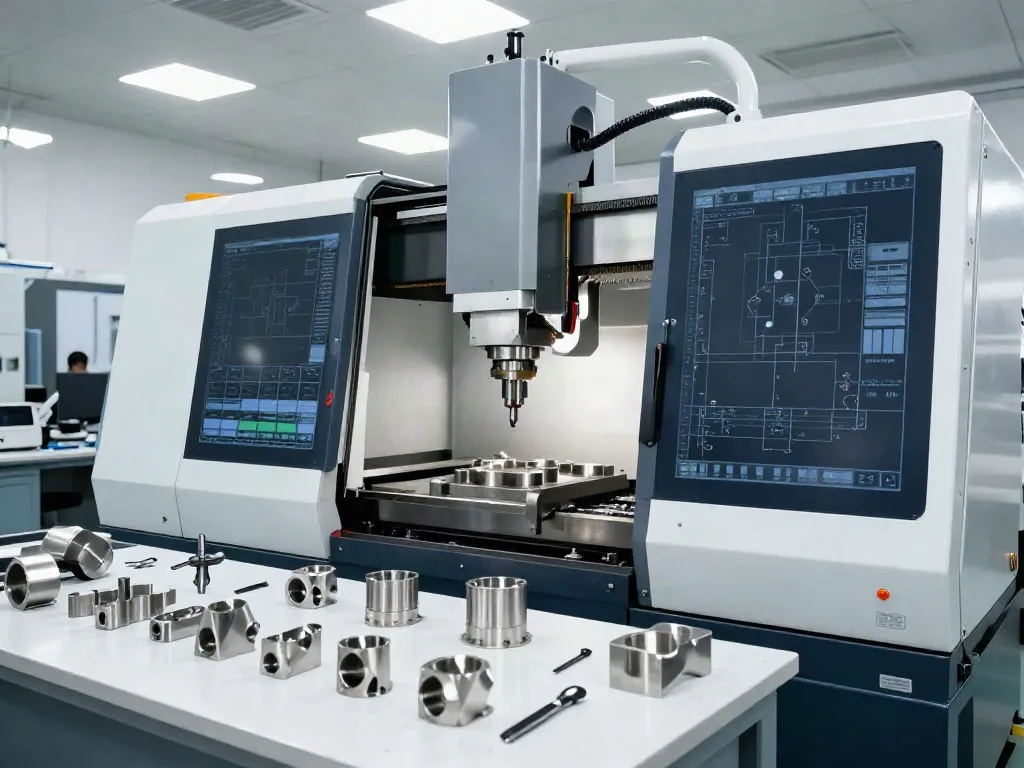
CNC machined stainless steel parts are components created through a computer-controlled manufacturing process that utilizes stainless steel as its primary material. The versatility of CNC machining allows for the fabrication of a wide range of parts, from simple shapes to complex geometries, tailored to meet specific engineering requirements. Common applications include brackets, housings, and fittings, which are essential in sectors ranging from aerospace to medical devices.
Benefits of Using Stainless Steel
Stainless steel is esteemed for its unique properties, which include:
- Corrosion Resistance: Stainless steel’s inherent resistance to rust and corrosion makes it ideal for harsh environments.
- High Strength-to-Weight Ratio: This material offers exceptional strength while remaining lightweight, a crucial factor for many applications.
- Longevity: Parts made from stainless steel maintain their structural integrity over extensive periods, reducing the need for frequent replacements.
- Aesthetic Appeal: The smooth, reflective finish of stainless steel parts can enhance product appearance, making them desirable in consumer goods.
Key Industries Utilizing CNC Machined Parts
Several industries leverage the advantages of CNC machined stainless steel parts:
- Medical Industry: Surgical instruments and implantable devices require materials that are biocompatible and resistant to sterilization processes.
- Food Processing: Equipment utilized in this sector must be hygienic and durable, ensuring compliance with strict health regulations.
- Chemical Engineering: Parts often face highly corrosive substances; thus, stainless steel is essential for reliable performance.
- Aerospace: The need for lightweight yet strong materials is paramount, making stainless steel an excellent choice for critical components.
Advanced CNC Machining Techniques
The evolution of CNC machining technologies has significantly enhanced production capabilities across industries. At Honscn, we employ state-of-the-art methodologies to ensure precision and efficiency in manufacturing.
Overview of CNC Technologies
CNC machining integrates various technologies such as CNC milling, turning, and electrical discharge machining (EDM). Each process adapts to different manufacturing needs, allowing for a comprehensive approach to producing custom stainless steel parts. Moreover, advancements in automation and robotics are paving the way for improved accuracy and speed in machining practices.
Precision Machining Processes Explained
Precision machining entails the creation of components with tight tolerances and exceptional surface finishes. Various processes involved include:
- CNC Milling: Involves rotating multi-point cutting tools to remove material from a workpiece.
- CNC Turning: Utilizes lathe machines where the workpiece rotates, allowing cutting tools to shape the part.
- EDM: A non-contact process that uses thermal energy to create intricate shapes, ideal for complex internal features.
Common Challenges and Solutions in CNC Machining
While CNC machining offers numerous advantages, it also presents challenges such as tool wear, material deformation, and maintaining precision over long runs. Solutions include:
- Regular Maintenance: Ensuring equipment is well-maintained to prevent unexpected failures.
- Material Selection: Choosing the right grade of stainless steel based on the application's specific demands.
- Process Optimization: Utilizing simulation software to predict outcomes and adjust parameters for optimal results.
Design Considerations for Stainless Steel Parts
Designing CNC machined stainless steel parts requires careful consideration of various factors to ensure functionality and manufacturability.
Best Practices for Designing CNC Parts
To ensure successful fabrication, consider the following best practices:
- Understand Tolerances: Specify tolerances that reflect the functional requirements of the part.
- Simplify Designs: Whenever possible, reduce complexity to lower manufacturing costs and lead times.
- Incorporate Design for Manufacturability (DFM): Ensure designs consider ease of machining and assembly.
Integrating CAD/CAM Software in Design
Computer-Aided Design (CAD) and Computer-Aided Manufacturing (CAM) software have revolutionized the design and machining processes. CAD allows for precise modeling, while CAM translates those models into instructions for CNC machines, ensuring a seamless transition from concept to creation.
Material Selection for Optimal Performance
Choosing the appropriate stainless steel grade is crucial. Options like 304, 316, and 17-4 PH offer various benefits tailored to specific applications, ensuring optimal performance in demanding environments.
Quality Control in CNC Machining
Implementing stringent quality control measures is vital for maintaining high standards in CNC machining processes. At Honscn, we prioritize quality throughout the manufacturing lifecycle.
Importance of Quality Assurance Procedures
Quality assurance procedures involve systematic inspections and tests to ensure that each part meets specified requirements. This includes dimensional checks, surface finish evaluations, and functional testing.
Measuring Success: Key Performance Metrics
Key performance indicators (KPIs) such as first-pass yield, defect rates, and cycle times help assess the efficiency and effectiveness of the machining process. Regular monitoring of these metrics enables continuous improvement.
Case Studies: Effective Quality Control Examples
Companies that emphasize quality control have documented success stories, demonstrating how rigorous testing protocols can lead to increased customer satisfaction and reduced costs. For instance, one case study illustrated a reduction in defective parts by implementing an automated inspection system, resulting in significant savings and enhanced customer trust.
Future Trends in CNC Machined Stainless Steel Parts
As technology progresses, various trends are emerging that will shape the future of CNC machining.
Emerging Technologies Shaping the Industry
Innovations such as additive manufacturing, advanced robotics, and machine learning are transforming traditional machining practices. These technologies enhance production efficiency and allow for more complex designs that were once considered impractical.
Sustainability in Metal Machining
With growing concerns about environmental impact, the industry is shifting towards sustainable practices. This includes minimizing waste, recycling materials, and utilizing energy-efficient processes to reduce the carbon footprint of manufacturing operations.
Predictions for 2026 and Beyond
By 2026, advancements in CNC machining will likely lead to even more automated systems, resulting in reduced labor costs and improved consistency. Additionally, the integration of artificial intelligence in design and production processes will enable companies to achieve unprecedented levels of precision and customization.
What are the most common applications for cnc machined stainless steel parts?
CNC machined stainless steel parts find applications in various fields, including aerospace, automotive, medical, and consumer electronics. Their adaptability and strength make them indispensable in these sectors.
How do I choose a reliable CNC machining partner?
When selecting a CNC machining partner, consider their experience, technological capabilities, quality control processes, and customer testimonials. A partner with a strong track record in producing cnc machined stainless steel parts will ensure the quality and reliability of your projects.
What is the typical turnaround time for custom CNC parts?
Turnaround times for custom CNC parts vary depending on complexity, materials, and production volume. However, most projects can be delivered within a few weeks, with expedited services available for urgent requirements.
Can CNC machining accommodate complex geometries?
Yes, CNC machining excels in producing complex geometries that would be challenging to manufacture through traditional methods. Advanced tooling and software solutions allow for the creation of intricate designs with high precision.
What types of stainless steel are commonly used in CNC machining?
The most commonly used stainless steel grades in CNC machining include 304 for general use, 316 for marine environments, and 17-4 PH for applications requiring high strength. Each grade is selected based on specific application requirements to ensure optimal performance.