Understanding Track Inspection
What is Track Inspection?
Track Inspection refers to the systematic examination of railway tracks to ensure they are in safe, operational condition. This crucial process involves evaluating physical components such as rails, ties, ballast, and alignment, as well as assessing various environmental factors that affect track integrity. Regularly conducting Track Inspection helps prevent accidents and enhances overall rail network reliability, making it an indispensable part of railway operations.
Importance of Regular Inspections
Regular inspections are vital for several reasons. First and foremost, they help identify potential failures before they escalate into hazardous situations. Catching issues like cracks in the rails or misalignment early can save lives and reduce costs associated with repairs and accidents. Furthermore, adherence to inspection protocols ensures compliance with safety regulations set forth by government agencies. Regular inspections lead to improved operational efficiency and service reliability, prolonging the lifespan of rail infrastructure.
Types of Track Inspections
There are multiple types of track inspections, each serving a specific purpose:
- Visual Inspections: Inspectors examine the track surface and infrastructure for visible defects.
- Ultrasonic Inspections: This method detects internal flaws in rail materials through ultrasonic waves.
- Track Geometry Inspections: Measurements taken to assess alignment, elevation, and gauge of the railway tracks.
- Automated Surveys: Drones and specialized equipment used for large-scale inspections efficiently.
Key Techniques for Effective Track Inspection
Visual Inspection Methods
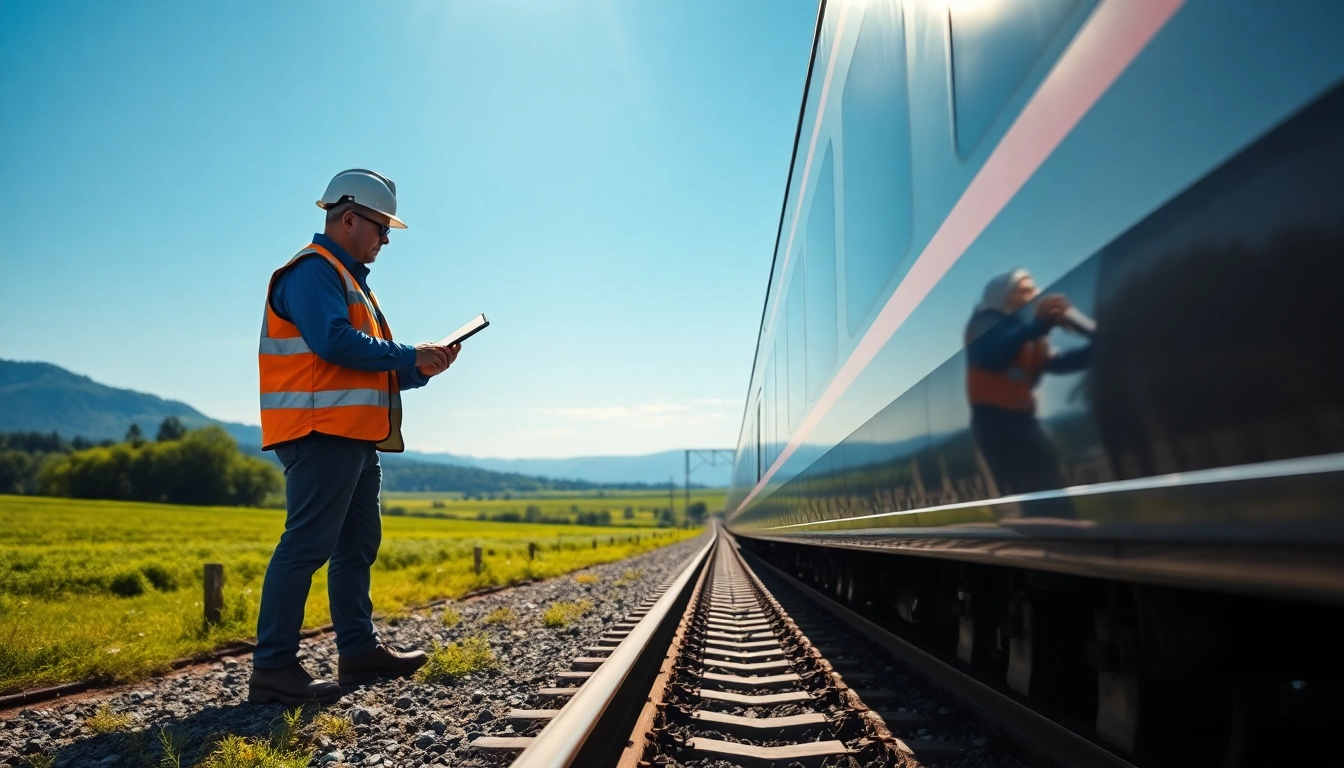
Visual inspections are the most straightforward yet essential form of track examination. Inspectors require sharp attention to detail to notice small flaws that may indicate larger issues. Regularly scheduled inspections can involve both on-foot and onboard assessments, allowing inspectors to spot problems such as broken rails, excessive wear on ties, or alterations in the track's surface.
Automated Inspection Technologies
With advancements in technology, automated inspection methods are becoming prevalent. Technologies like laser scanning and high-resolution cameras mounted on trains can conduct inspections at higher speeds without sacrificing accuracy. These technologies not only expedite the inspection process but also collect vast amounts of data for analysis, increasing the reliability of results.
Best Practices for Inspection Teams
To maximize the effectiveness of track inspections, teams should adhere to best practices such as:
- Utilizing a structured checklist during inspections.
- Regularly training personnel on new inspection technologies and techniques.
- Implementing a reliable reporting system to track findings and remedial actions.
Challenges in Track Inspection
Common Issues Found During Inspections
Track inspections regularly reveal a variety of issues including rail defects, loose fasteners, unstable ballast, and vegetation encroachment. Documenting these problems is crucial, but equally important is the swift implementation of corrective actions to mitigate risks associated with these defects.
Weather Impact on Inspection Quality
Weather conditions pose significant challenges to track inspections. Rain, snow, and extreme temperatures can obscure defects or distort inspector observations. For example, heavy rain may cause washouts or hidden cracks to go unnoticed, while snowfall can obscure visibility. These factors necessitate adaptability in inspection schedules and techniques to avoid compromised inspection quality.
Mitigating Human Error in Inspections
Human error remains a prominent challenge in track inspection accuracy. To mitigate such risks, companies should invest in ongoing training and education. Utilizing technology can enhance accuracy by providing objective data that complements inspector observations, thereby reducing reliance on sole human judgment and promoting a culture of safety.
Technological Advancements in Track Inspection
Introduction to Drones in Track Inspection
Drones represent a groundbreaking innovation in track inspections. Equipped with cameras and sensors, drones can quickly survey extensive stretches of track, capturing high-definition images and multispectral data. This technology enhances the speed and safety of inspections, allowing for detailed analysis of track conditions without requiring personnel to be in close proximity to potentially dangerous areas.
Using AI for Predictive Maintenance
Artificial Intelligence (AI) plays a transformative role in predictive maintenance strategies for track inspections. By analyzing historical data and current conditions, AI algorithms can predict probable failure and maintenance needs. This enables railway companies to transition from reactive to proactive maintenance strategies, thereby optimizing operational efficiency and safety.
Emerging Technologies on the Horizon
Future advancements in track inspection technologies are on the horizon. Innovations such as augmented reality (AR) for real-time data overlay and advanced robotics for applying remedial actions are being explored. As these technologies mature, they will further refine inspection processes, making them more agile and accurate.
Performance Metrics for Track Inspection
Evaluating Inspection Effectiveness
To measure the effectiveness of track inspections, companies should utilize key performance indicators (KPIs) such as detection rates of flaws, speed of inspections, and the rate of successful remediation actions. These KPIs provide data to improve future inspection strategies, enhancing both safety and efficiency.
Tracking Safety Compliance
Compliance with safety regulations is non-negotiable in railway operations. Regular audits and reporting systems to track adherence to safety protocols are essential. This ensures that railway companies are constantly aligning their inspection processes with industry standards, maintaining operational integrity and safety for all users.
Measuring Operational Efficiency
Operational efficiency in track inspections can be evaluated by analyzing inspection turnaround times, resource allocation, and the effectiveness of maintenance interventions. Benchmarking these metrics against industry standards can yield insights for improving both inspection methodologies and overall operational practices.
FAQs about Track Inspection
What is the primary purpose of track inspection?
The primary purpose of track inspection is to ensure safety and reliability in railway operations by identifying potential defects or issues before they lead to accidents.
How often should track inspections be performed?
The frequency of track inspections depends on factors such as traffic volume and environmental conditions, but typically, they are conducted daily or weekly, with more comprehensive inspections less frequently.
What technologies are used in track inspections?
Common technologies for track inspection include visual inspections, ultrasonic testing, drones for aerial surveys, and AI-powered predictive maintenance systems.
What are the challenges in performing track inspections?
Challenges include weather effects, human error, and logistical constraints that may complicate thorough inspections.
How can we ensure the reliability of track inspection results?
Reliability can be ensured through stringent training, use of advanced technologies, systematic reporting, and adherence to established inspection protocols.
Contact Information
Call Us: 1 (403) 452-4508Email: [email protected]Address: 3950 Fossil Creek Blvd Suite 106, Fort Worth, TX, USA 76137