Introduction to Custom Hydraulic Equipment
In the realm of industrial manufacturing and engineering, custom hydraulic equipment plays a pivotal role in ensuring that machines operate efficiently and meet the specific demands of various applications. This article will explore the multifaceted world of custom hydraulic systems, elaborating on their components, design considerations, and the immense benefits they offer to businesses across numerous sectors.
What is Custom Hydraulic Equipment?
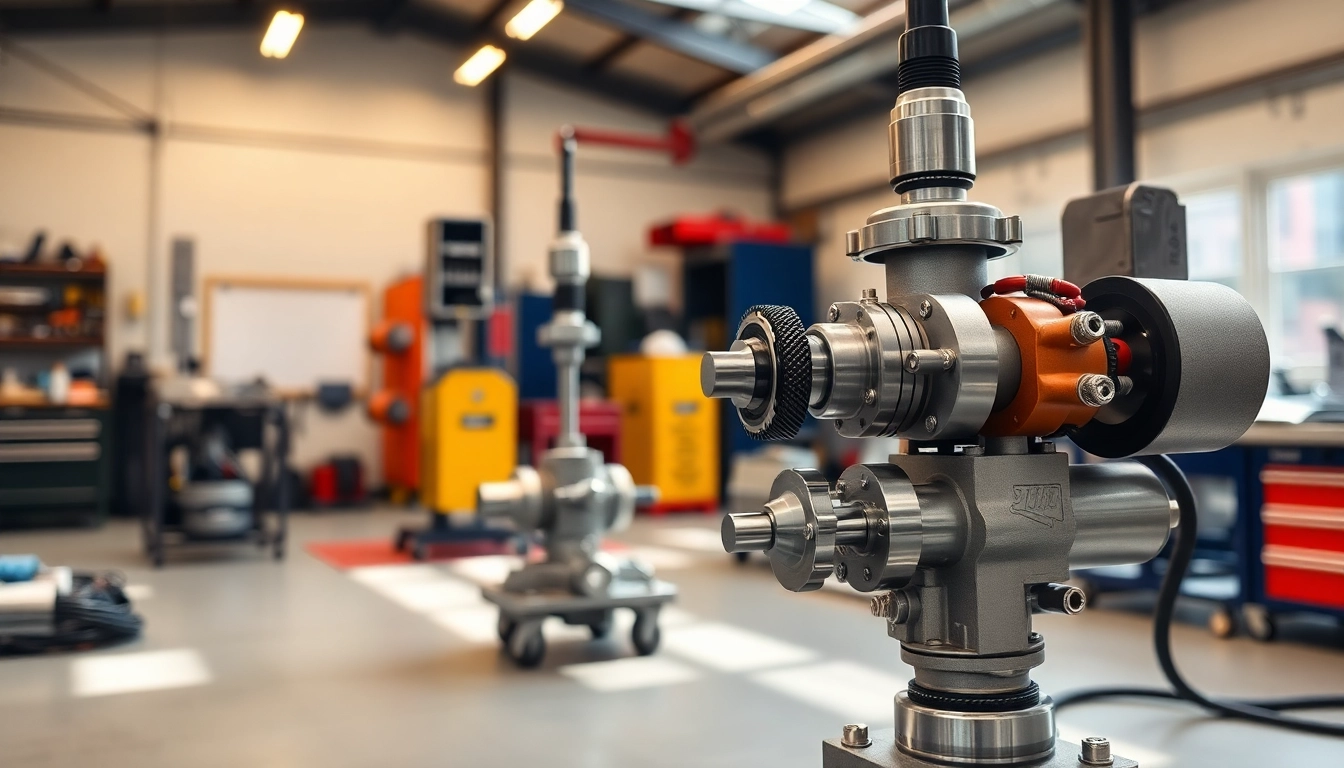
Custom hydraulic equipment refers to hydraulic systems and components designed and manufactured to meet specific operational requirements of a given application. This customization allows for a combination of hydraulic cylinders, pumps, valves, and control systems that align with a company's exact specifications, objectives, and functionality needs. By utilizing tailored designs, manufacturers can optimize system performance, efficiency, and adaptability in various environments.
Importance of Customization in Hydraulic Systems
Customization is essential in hydraulic systems for several reasons. First, different applications often require unique configurations regarding force, speed, and precision. A one-size-fits-all approach may lead to suboptimal performance, increased wear and tear, and potential downtime. By investing in custom hydraulic equipment, businesses can achieve specific performance metrics, reduce energy consumption, and extend equipment lifespan. Furthermore, customization allows for better integration into existing systems, fostering enhanced compatibility and synergy among all mechanical components.
Common Applications and Industries
The versatility of custom hydraulic equipment makes it suitable for a wide range of applications across numerous industries. Some common sectors where these systems are employed include:
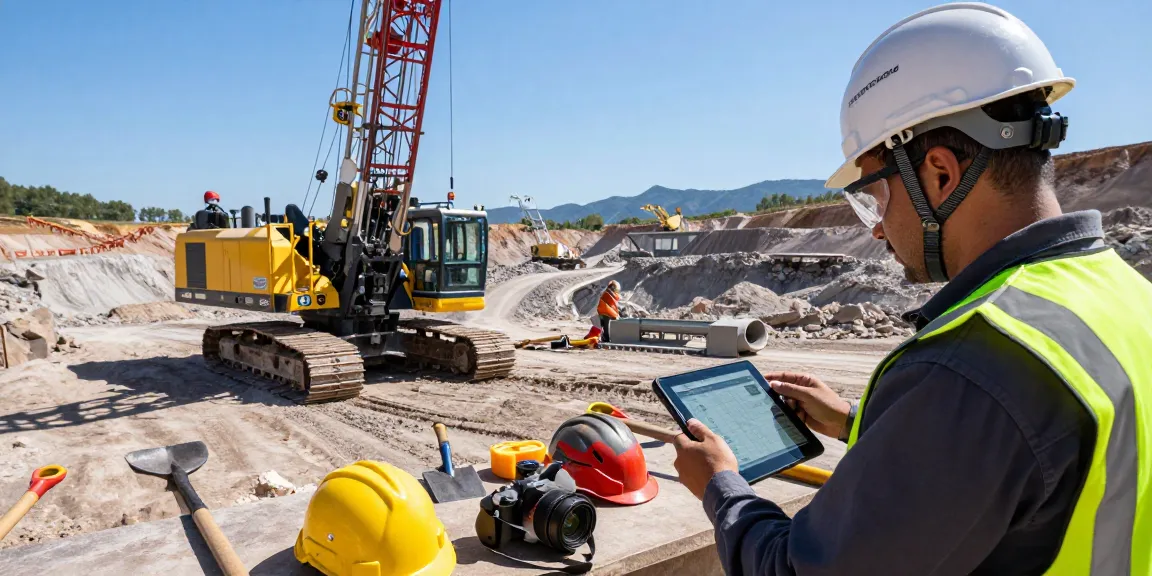
- Construction: Hydraulic systems are integral to machinery such as excavators, bulldozers, and cranes, which rely on customized hydraulic cylinders and pumps for efficient operation.
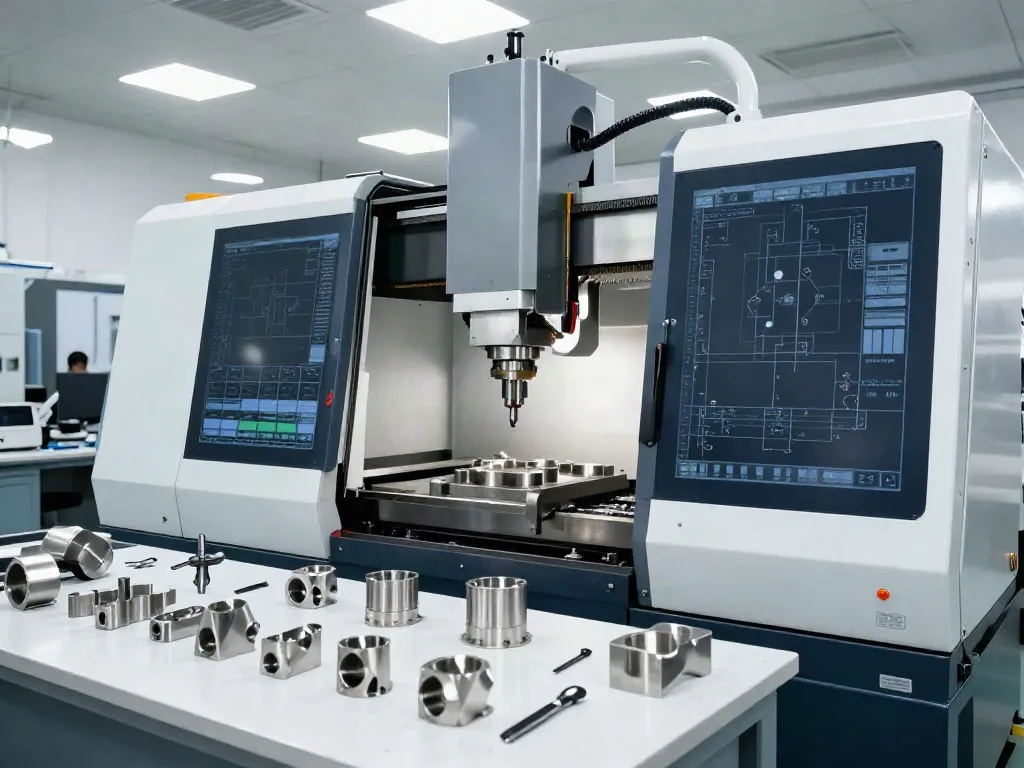
- Manufacturing: Factories utilize custom hydraulic solutions for machinery automation, assembly lines, and material handling, allowing production processes to run smoothly and efficiently.
- Aerospace: Custom hydraulic equipment plays a vital role in aircraft systems, particularly in landing gear, wing flap actuators, and other essential components that demand high reliability and precision.
- Automotive: Hydraulic systems are essential for various automotive applications, including braking systems and power steering, where customized designs can enhance performance and safety.
- Marine: In shipbuilding and operation, customized hydraulic systems are utilized for lifting mechanisms, steering, and cargo handling, ensuring that operations are safe and efficient.
Key Components of Custom Hydraulic Equipment
To understand the efficacy of custom hydraulic equipment, one must delve into its core components. Each plays a critical role in the overall functionality and efficiency of the hydraulic system.
Understanding Hydraulic Cylinders
Hydraulic cylinders are pivotal components that convert hydraulic energy into mechanical force, enabling a vast array of movements. Their design can vary widely based on the intended application, with options including single-acting or double-acting cylinders, which influence force and stroke length capabilities. Custom hydraulic cylinders can be engineered to accommodate specific pressure ratings and size requirements, ensuring optimal performance tailored to the job at hand.
Role of Pumps and Valves
Pumps are responsible for generating flow, while valves control the direction and pressure of that flow within hydraulic systems. Common types of hydraulic pumps include gear pumps, vane pumps, and piston pumps, each offering unique advantages based on the application type. Similarly, valves are integral for directing flow, maintaining pressure, and ensuring safety within the system. Customizing these components allows companies to fine-tune their hydraulic systems to align with productivity goals and operational demands.
Integrating Control Systems
Modern custom hydraulic systems often incorporate sophisticated control systems that enhance automation and precision. These may include electronic control units, hydraulic logic controllers, and sensors that monitor pressure and flow rates. By integrating these technologies, manufacturers can improve responsiveness and operational efficiency while minimizing risks associated with human error. Custom control systems can also be designed for remote monitoring and operation, providing further convenience and innovation.
Design Considerations for Custom Hydraulic Equipment
When designing custom hydraulic equipment, several factors must be considered to ensure that the final product meets performance expectations and safety standards.
Material Selection and Durability
The materials used in hydraulic equipment are critical for ensuring durability and performance. Options typically include steel, aluminum, and various alloys, each with unique properties suited for specific environments and application needs. Custom designs often require a careful balance between weight, strength, and corrosion resistance, especially in industries like marine and aerospace where conditions can be harsh. Selecting the right materials not only enhances performance but also diminishes maintenance needs and prolongs operational life.
Efficiency and Performance Metrics
Efficiency and performance metrics are paramount when designing custom hydraulic systems. Engineers must consider factors such as flow rates, pressure drops, and energy consumption throughout the design process. Utilizing computer-aided design (CAD) tools and simulation software can aid in predicting system behavior and performance, allowing for adjustments before physical prototype construction. Optimizing these metrics directly affects overall system efficiency and resulting operational costs.
Safety Standards and Compliance
Custom hydraulic equipment is subject to a host of safety standards and regulatory compliance measures depending on the industry. Adhering to guidelines set by organizations such as ISO and ASME is crucial for ensuring operational safety. Custom designs must incorporate fail-safes and robust checks to prevent malfunctions that could lead to accidents or equipment failure. Account for safety from the design phase through to the end product, thereby minimizing risks to operators and the surrounding environment.
Benefits of Investing in Custom Hydraulic Equipment
Investing in custom hydraulic equipment is more than just a trend; it offers numerous benefits that can significantly impact a business's bottom line.
Tailored Solutions for Specific Needs
The primary benefit of custom hydraulic equipment is the ability to create tailored solutions that fit specific operational needs. This eliminates the issues commonly encountered with off-the-shelf equipment, such as mismatched specifications and inadequate performance. Customized solutions enhance functionality, efficiency, and adaptability, providing businesses with an edge in competitive markets.
Long-Term Cost Efficiency
While the initial investment in custom hydraulic equipment may be higher than standard options, the long-term cost efficiency often outweighs the upfront costs. This equipment is designed for longevity and reduced maintenance expenses, ultimately resulting in lower overall operational costs. Properly engineered systems lead to fewer breakdowns and disruptions, translating into greater productivity and profitability over time.
Improving Operational Performance
Custom hydraulic systems can dramatically improve operational performance in numerous ways. Enhanced responsiveness and accuracy lead to increased output, better quality control, and reduced cycle times. Furthermore, optimized hydraulic solutions augment existing processes and can often contribute to greater safety, which is invaluable in high-risk environments.
Frequently Asked Questions
What are the advantages of custom hydraulic equipment?
Custom hydraulic equipment provides tailored solutions, improving efficiency and meeting specific operational needs.
How is custom hydraulic equipment designed?
Design involves selecting suitable materials, components, and configurations based on the intended application.
What industries use custom hydraulic equipment?
Industries such as construction, manufacturing, and automotive commonly utilize custom hydraulic equipment for various applications.
How do I choose a hydraulic equipment provider?
Look for experience, customization options, and customer support to ensure reliable service and quality equipment.
What maintenance is required for hydraulic equipment?
Regular checks, fluid changes, and component inspections are essential for maintaining hydraulic equipment performance.
Contact Information
Call Us: 780.452.2876Email: [email protected]Address: 13111 159 Street Edmonton, AB T5V 1H6