Introduction to Straight Razor Shaving
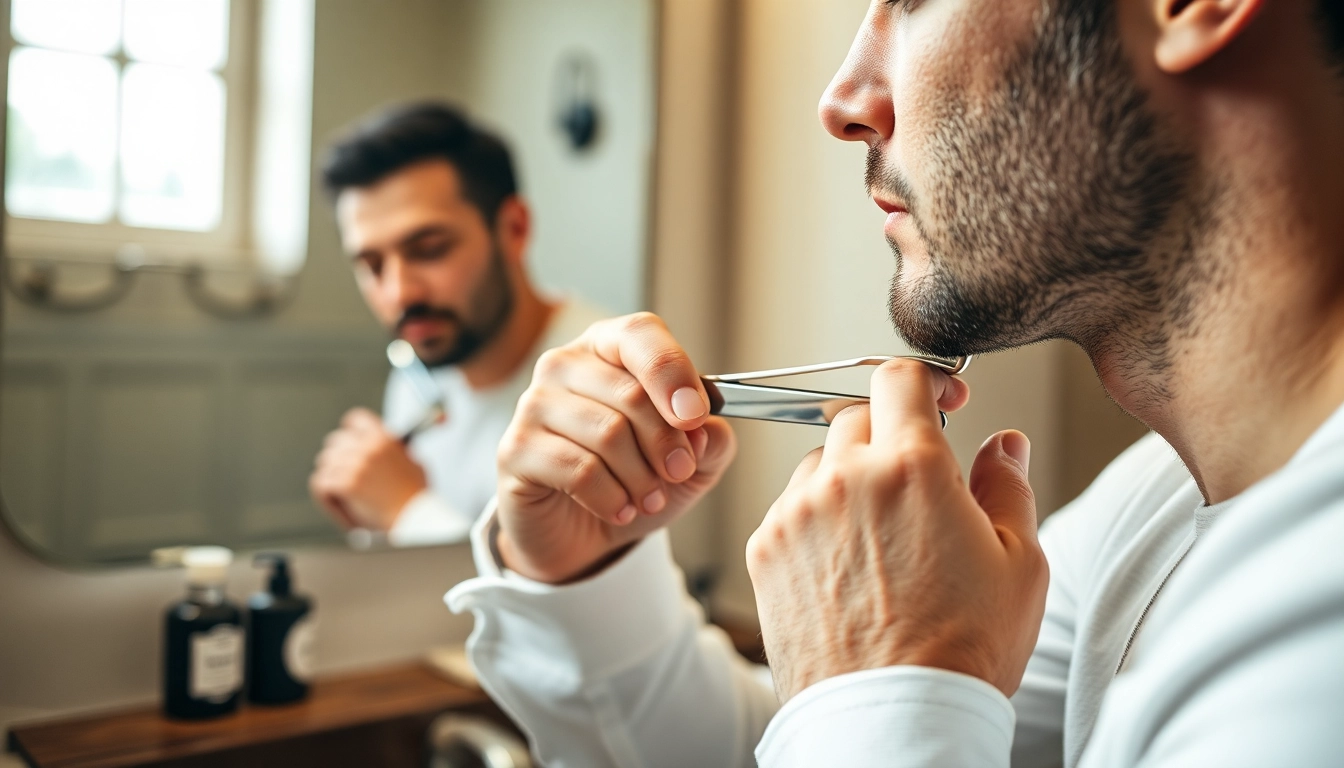
Shaving is a daily routine for many, but few methods evoke the mastery and tradition of using a straight razor. In an age dominated by modern multi-blade cartridges, straight razors represent a return to classic craftsmanship and precision. This comprehensive guide will explore how to shave with a straight razor, delve into the tools you'll need, and provide you with techniques that increase the effectiveness and safety of your shave.
Understanding the Straight Razor
A straight razor, also known as a cut-throat razor, consists of a single blade that is hinged to a handle. Unlike disposable razors or safety razors, straight razors require skill to wield effectively. They come in various designs, which can vary in blade width, grind, and point style. Understanding these features can significantly affect your shaving experience and outcome.
Benefits of Using a Straight Razor
Choosing to shave with a straight razor has several advantages. Firstly, it allows for greater precision in shaving, which is especially beneficial for detailed styles such as sideburns and mustaches. Secondly, a straight razor can be more economical over time, as it requires less frequent replacement compared to disposable razors. Furthermore, the act of using a straight razor can transform shaving from a chore into a ritual, providing a sense of mindfulness and connection to traditional grooming.
Essential Tools for Beginners
Before you embark on your straight razor journey, you’ll need some essential tools. Here’s a comprehensive list:
- Straight Razor: Choose one that fits comfortably in your hand; consider the weight and balance.
- Strop: This is crucial for maintaining the blade’s sharpness and should be used regularly.
- Shaving Brush: A quality brush will help create a rich lather and soften your facial hair.
- Shaving Soap or Cream: Select one that provides good lubrication and protection for the skin.
- Mug or Bowl: For mixing your soap or cream with water to create lather.
- Talcum Powder or Aftershave Balm: For post-shave care to soothe the skin and reduce irritation.
How to Shave with a Straight Razor: Step-by-Step Guide
Preparing Your Face
The preparation phase is critical to achieving a good shave. Start with a warm shower or a hot towel on your face to open up your pores and hydrate your facial hair. Lather up using your brush and the shaving cream or soap. Apply the lather generously, ensuring even coverage of your facial hair.
Choosing the Right Angle
Finding the correct angle is essential for a comfortable and effective shave. Ideally, the angle of the blade should be around 30 degrees to your skin. This angle allows the blade to cut through the hair without pulling, which minimizes irritation and the risk of nicks.
Executing the Perfect Stroke
Using short, smooth strokes will yield the best results. Start shaving with the grain of the beard, applying light pressure and using controlled movements. Always remember to let the blade do the work, as excessive pressure increases the chances of cuts. Use different strokes—downward on the cheeks, upward on the neck, and across for the final touch—to achieve a closer shave.
Common Beginner Mistakes and How to Avoid Them
Incorrect Angles and Pressure
One of the most common pitfalls for beginners is using the wrong angle or applying too much pressure. Always maintain a 30-degree angle, and if the razor seems to tug at the hair, check your angle and adjust. Remember, the goal is to glide the blade over the skin, not to force it through.
Skipping Pre-Shave Preparation
Preparation is key to a successful shave. Skipping this step can lead to irritation and an uneven shave. Always ensure your hair and skin are adequately prepared. Invest time in your pre-shave routine—it pays off in the long run.
Neglecting Safety Tips
Safety should always be your top priority. Always shave in a well-lit area, use a mirror to maintain visibility, and be patient. Rushing can lead to mistakes and accidents. Additionally, familiarize yourself with the razor’s handling to develop confidence in your technique.
Advanced Techniques for the Experienced Shaver
Mastering the Different Passes
To achieve the smoothest shave possible, consider implementing multiple passes. The first pass should always be with the grain, followed by across (XTG) and against (ATG) the grain passes. Each pass helps to progressively remove stubble while minimizing irritation.
Professional Touches for a Closer Shave
For those looking to elevate their shave further, techniques like "buffing"—using short, circular strokes with minimal pressure—can enhance closeness. Additionally, consider mapping out your beard growth pattern to ensure you’re shaving in the most effective direction.
Post-Shave Care and Maintenance
Post-shave care is just as vital as the shave itself. Rinse your face with cold water to close the pores and apply an alcohol-free aftershave balm to soothe any irritation. Maintain your straight razor by thoroughly cleaning and drying it after each use, and use a strop regularly to keep the edge sharp.
FAQs About Straight Razor Shaving
Is straight razor shaving safe for beginners?
Yes, with the right techniques and safety precautions, straight razor shaving can be safe for beginners. It may take practice, but the results are rewarding.
What preparation is needed before a straight razor shave?
Before shaving, prepare by softening the hair with warm water, lathering your face with cream or soap, and ensuring your straight razor is sharp.
How can I prevent cuts while shaving?
To prevent cuts, use a light touch, maintain the correct angle, and avoid rushing while shaving. Keep the blade sharp and clean.
What products are best for straight razor shaving?
High-quality shaving creams or soaps, a good shaving brush, and an aftershave balm are essential. Ensure your products complement your skin type.
How to maintain a straight razor effectively?
Maintain your straight razor by cleaning it after each shave, strop it regularly, and hone it as needed to ensure it stays sharp and in excellent condition.