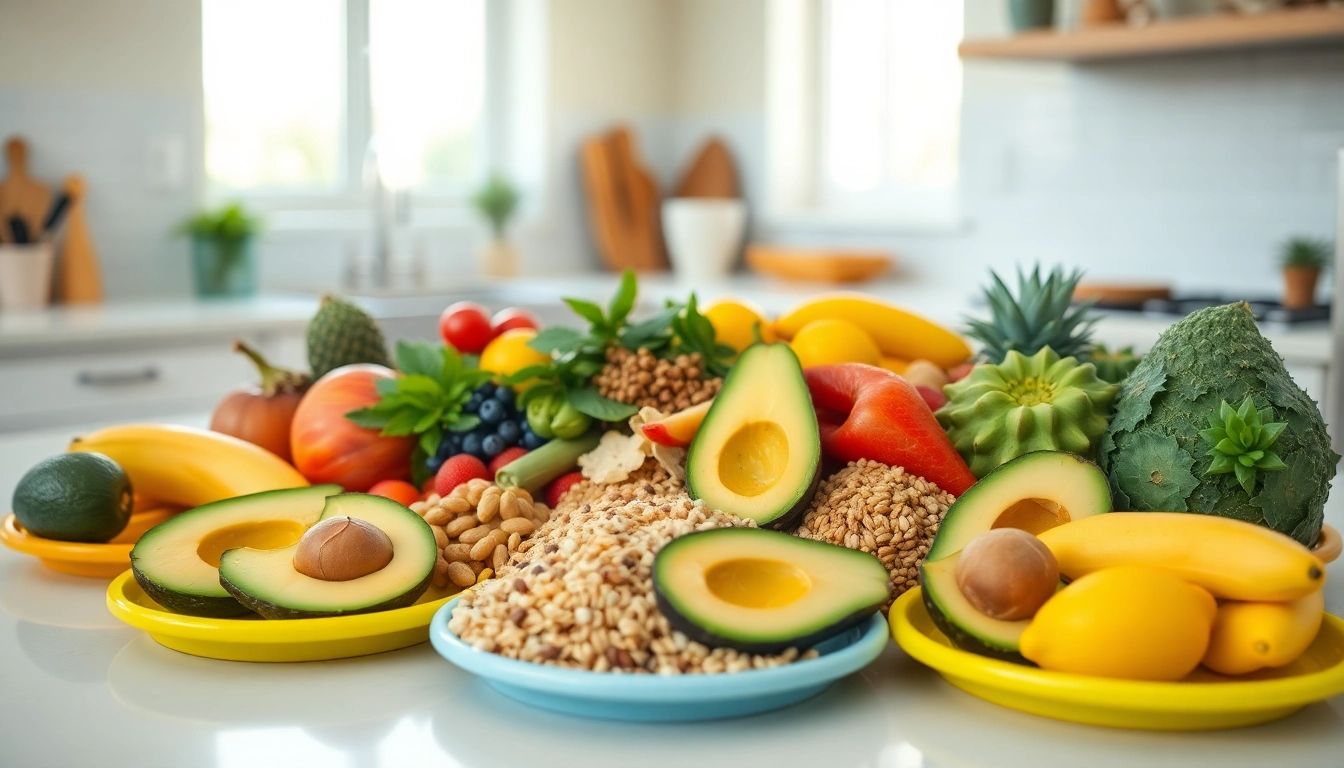
Understanding the Fertility Diet
As individuals and couples navigate their journey towards parenthood, dietary choices play a crucial role in enhancing fertility. The concept of a fertility diet includes a collection of foods and nutrients that can positively influence reproductive health. This article delves deeply into what a fertility diet is, its numerous benefits, and the key nutrients that contribute to boosting fertility.
What is a Fertility Diet?
A fertility diet is not a singular plan but rather a holistic approach to eating that focuses on whole foods and nutrients specifically known to support reproductive health. It emphasizes the consumption of nutrient-rich foods while minimizing those that may hinder fertility. The basis of a fertility diet often includes plenty of fruits, vegetables, whole grains, lean proteins, and healthy fats, ensuring that the body receives essential vitamins and minerals crucial for hormonal balance and reproductive functions.
Benefits of Following a Fertility Diet
Adopting a fertility diet offers several benefits for both men and women. These include:
- Improved Hormonal Balance: Nutrient-dense foods can help balance hormones essential for ovulation and sperm production.
- Enhanced Ovulatory Function: Studies suggest that women who follow a balanced fertility diet experience more regular ovulation cycles.
- Better Sperm Quality: Men may find that their sperm motility and quality improve when consuming a diet rich in antioxidants and healthy fats.
- Weight Management: Maintaining a healthy weight is critical for fertility, and a balanced diet can aid in achieving or maintaining that weight.
- Overall Health Improvement: The fertility diet overlaps with general wellness, helping reduce the risk of chronic diseases, promoting heart health, and enhancing energy levels.
Key Nutrients for Fertility
Specific nutrients play a vital role in fertility. Below are the key nutrients and their respective benefits:
- Folic Acid: Essential for DNA synthesis and repair, folic acid is crucial for preventing neural tube defects in fetuses. Sources include leafy greens, legumes, and fortified cereals.
- Omega-3 Fatty Acids: These healthy fats help regulate hormones and improve blood flow to reproductive organs. Rich sources include fatty fish (like salmon), flaxseeds, and walnuts.
- Antioxidants: Vitamins C and E, selenium, and zinc combat oxidative stress that can affect egg and sperm quality. They can be found in fruits, nuts, and whole grains.
- Vitamin D: This vitamin is associated with improved fertility in both genders. Sources include fortified foods, fatty fish, and sunlight exposure.
- Zinc: Critical for sperm production, zinc can be found in meat, shellfish, dairy, and legumes.
Foods to Include in Your Fertility Diet
Incorporating the right foods into your diet can enhance reproductive health. Here’s an extensive look at the various food groups that should be part of your fertility diet.
Whole Grains and Their Importance
Whole grains are a cornerstone of a balanced diet, providing sustained energy and essential nutrients. Foods such as brown rice, quinoa, barley, and whole wheat products contain fiber, which helps regulate blood sugar levels and supports hormonal balance. Replacing refined grains with whole grains can lead to weight management and better reproductive health.
Fruits and Vegetables Rich in Antioxidants
A colorful array of fruits and vegetables is crucial for a fertility diet. Berries, citrus fruits, dark leafy greens, and bell peppers are loaded with vitamins and antioxidants that reduce inflammation and oxidative stress. These nutrients can significantly enhance egg and sperm quality, thus improving the chances of conception.
Healthy Fats and Protein Sources
Healthy fats, including avocados, nuts, seeds, and olive oil, support hormone production and should be included regularly. Lean protein sources such as chicken, fish, tofu, and legumes contribute essential amino acids fundamental for reproductive health. The right proportions of protein and fats can lead to better hormone balance and improved fertility outcomes.
Foods to Avoid on the Fertility Diet
While it is essential to know what to eat, it is equally important to recognize foods that can negatively impact fertility. Here are key categories to limit or avoid:
Processed Foods and Sugar
Processed foods are often high in additives and refined sugars, which can lead to inflammation and insulin resistance, negatively affecting fertility. Limiting sugar intake and opting for whole food alternatives can improve overall health and reproductive chances.
Caffeinated and Alcoholic Beverages
High caffeine consumption has been linked to reduced fertility, particularly in women. It's advisable to limit caffeine intake and consider alternatives like herbal teas. Alcohol can disrupt reproductive hormones and impair sperm production, so moderation or abstaining is recommended.
Trans Fats and Their Impact
Trans fats, commonly found in fast food and processed snacks, have been linked to lower fertility rates. These unhealthy fats can lead to chronic inflammation and hormonal issues. It’s best to avoid trans fats while opting for healthier fat sources instead.
Meal Planning for a Fertility Diet
Effective meal planning is essential for implementing a fertility diet. Structuring meals around whole foods and nutrients can optimize health and enhance fertility.
Creating Balanced Meals
A balanced meal consists of a variety of food groups to ensure that you are getting the nutrients needed for fertility. Aim for meals that include:
- A source of lean protein (e.g., chicken, beans)
- A variety of colorful vegetables
- Whole grains (e.g., quinoa, brown rice)
- Healthy fats (e.g., olive oil, nuts)
Combining these elements can help create meals that support reproductive health.
Sample Meal Plans for Different Needs
Here’s a sample meal plan for energy and nutrient-dense choices:
Breakfast:
Overnight oats with chia seeds, almonds, and berries.
Lunch:
Quinoa salad with spinach, cucumbers, chickpeas, and a lemon-olive oil dressing.
Dinner:
Baked salmon with steamed broccoli and a sweet potato.
Snacks:
Greek yogurt with honey and walnuts.
Easy Recipes to Try
Here are a couple of simple recipes tailored to the fertility diet:
Berry Smoothie:
Blend together a cup of spinach, a banana, a handful of mixed berries, a tablespoon of flaxseed, and a cup of almond milk.
The Mediterranean Bowl:
Combine cooked farro, roasted vegetables, feta cheese, and a drizzle of olive oil. Top with a handful of arugula.
Addressing Common Questions
How Long to Follow a Fertility Diet?
Generally, it is recommended to follow a fertility diet for at least three months to see tangible improvements. This timeframe allows for dietary changes to positively affect reproductive health and hormonal balance.
Can a Fertility Diet Help with Conception?
Yes, a fertility diet can significantly enhance chances of conception by creating a healthy body environment. Nutrient-rich foods help balance hormones and improve egg and sperm quality.
Does the Fertility Diet Vary for Men and Women?
While the general principles of a fertility diet apply to both genders, specific nutritional needs may differ. Men may focus on zinc and antioxidants, whereas women may need extra folic acid and iron.
FAQs about Fertility Diet
1. What is the most crucial food for improving fertility?
While no single food guarantees fertility, incorporating a variety of nutrient-dense foods such as leafy greens, healthy fats, and lean proteins can greatly support reproductive health.
2. How can I maintain a balanced fertility diet on a budget?
Focus on seasonal fruits and vegetables, buy in bulk for grains and legumes, and plan meals around sales to maintain balance without overspending.
3. Are there any supplements I should consider?
Consult healthcare professionals, but multivitamins containing folic acid, Vitamin D, and omega-3s can be beneficial for those planning to conceive.
4. How can I tell if my diet is affecting my fertility?
Unexplained infertility can be complex, but maintaining a balanced, nutrient-rich diet may lead to improvements in menstrual cycles and ovulatory function.
5. Is it necessary to follow a fertility diet if I'm not planning to conceive immediately?
Maintaining a healthy diet is beneficial for overall health and can help establish a solid foundation for future reproductive health when you decide to conceive.