Understanding the Basics of Selfie Taking
In an age where visual content reigns supreme, capturing the perfect Selfie has become both an art and a science. Understanding the fundamental aspects of taking a selfie is crucial for anyone looking to improve their self-portrait skills. This section covers the essential elements of lighting, angles, and the basic equipment needed to elevate your selfie game.
The Importance of Light in Selfies
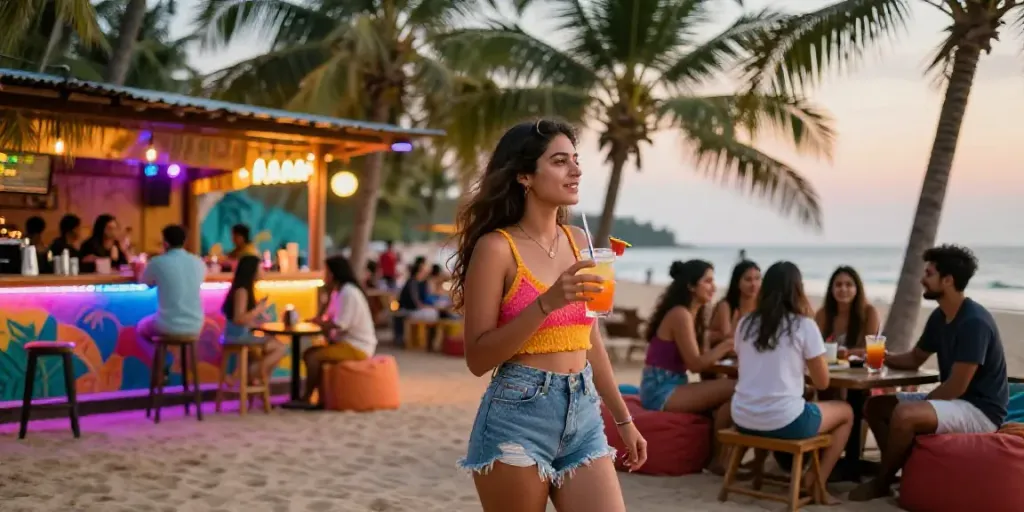
Light can make or break a selfie. Natural lighting, especially during the golden hour—just after sunrise or before sunset—provides a soft, flattering glow. Avoid harsh overhead lighting and dim environments, as they can create unflattering shadows and colors. If shooting indoors, position yourself near windows to take advantage of the available light. For those looking to up their indoor selfie game, ring lights and softboxes can simulate natural light, creating beautiful highlights while minimizing imperfections.
Choosing the Right Angle for Your Selfie
Your angle can significantly affect how you appear in your selfies. Many people find that a slight tilt of the head or positioning the camera slightly above eye level produces a more attractive shot. Experimenting with angles can lead to unique and flattering photos. It’s also essential to consider the context of your selfie; certain angles work better in different settings, such as from a lower angle in a scenic outdoor shot versus a frontal shot in a more formal indoor setting.
Equipment Essentials for Capturing Great Selfies
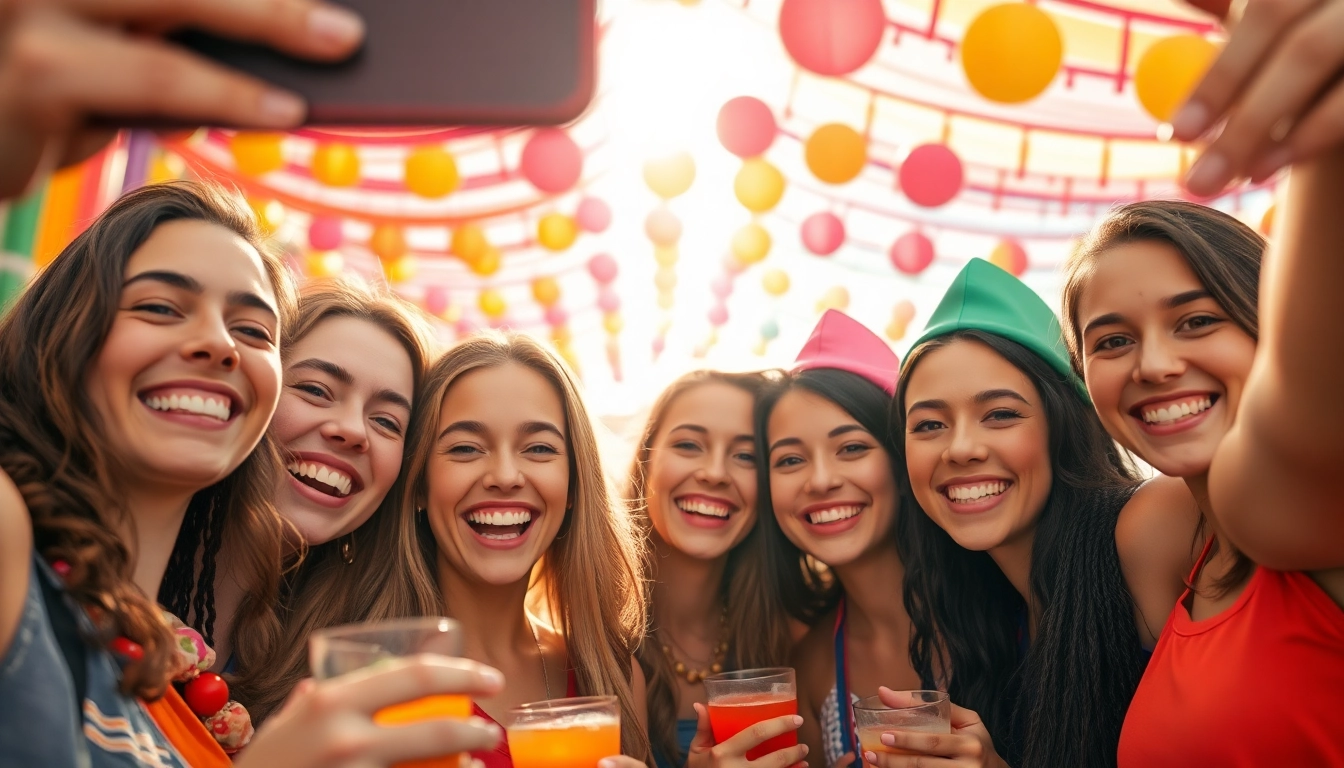
While many smartphones boast impressive cameras, having the right equipment can enhance your selfie experience. Tripods with smartphone mounts can help eliminate shaky hands and stabilize shots, especially in group selfies. Additionally, remote shutter releases, which allow you to snap a photo without touching the camera, can give you more freedom to pose. Consider investing in lens attachments that enhance features like wide-angle shots for capturing larger groups or backgrounds.
Advanced Techniques for Professional-Looking Selfies
Once comfortable with the basics, it’s time to dive into advanced techniques that can bring your selfies to the next level. Editing, composition, and the use of props can make a significant difference in the quality and impact of your images.
Editing Tools to Enhance Your Selfie Quality
Post-processing is a crucial step in creating professional-looking selfies. Applications like Lightroom, Snapseed, and VSCO provide powerful editing tools. Focus on adjusting brightness, contrast, and saturation for a cleaner look. Additionally, retouching features can help eliminate blemishes or imperfections. However, be cautious not to over-edit; authenticity is essential for maintaining connection with your audience.
Using Composition Rules for Eye-Catching Selfies
Applying composition techniques can transform an average selfie into a stunning visual piece. The rule of thirds is particularly useful; imagine dividing your frame into thirds both horizontally and vertically, then position key elements along these lines or intersections. Symmetry and leading lines can also guide viewers’ eyes to the focal point of your selfie, creating a more engaging image.
Incorporating Props and Backgrounds in Your Selfie
Props can add interest and context to your selfies, making them more visually appealing and personalized. Items like hats, sunglasses, or seasonal decorations allow for creativity. Additionally, a well-chosen background can enhance the context of your selfie. Landscapes, urban settings, or artistic murals can serve as beautiful backdrops that complement your subject, telling a more captivating story through imagery.
How to Capture Emotion in Your Selfies
An engaging selfie isn’t just about technique; it’s about conveying emotion. This section discusses how to evoke genuine emotions and narratives through facial expressions and poses.
Techniques for Natural Smiling and Posing
For an authentic smile, think of something that brings you joy or make yourself laugh right before hitting the shutter button. A genuine smile will light up your eyes and create a more engaging photo. Additionally, don’t be afraid to experiment with body language; a relaxed pose often translates to a more natural look. Embrace candid moments where you are not overly posed, as this often produces the best results.
Utilizing Facial Expressions for Impactful Selfies
Facial expressions are key to conveying emotion in selfies. Whether it’s a serious look, a thoughtful expression, or infectious laughter, the deliberate choice of expression can make your selfie more relatable. Experiment with different facial expressions to find what feels right and represents your personality. Make sure to practice in front of a mirror to discover the most flattering expressions.
Creating Stories Through Your Selfies
Your selfies can tell stories beyond a simple self-portrait. Whether it’s sharing your travel adventures, daily life, or personal milestones, try to convey a narrative in your images. Use captions to enhance the storytelling aspect of your selfies. Consider photographing activities that capture your essence—this could mean showcasing your hobbies, pets, or favorite places, which all add layers to your visual narrative.
Social Media Strategies for Sharing Your Selfies
Effective sharing is crucial when it comes to selfies. This section focuses on maximizing your exposure and engagement through social media platforms.
Best Practices for Posting Selfies on Different Platforms
Different social media platforms have unique cultures and audiences, which means that the way you share selfies should vary. On Instagram, high-quality images with strong aesthetic value work best. Conversely, Snapchat thrives on spontaneity and less-polished content. Tailor your selfies to fit the platform's vibe; engaging with your audience and within those specific contexts will enhance your visibility.
Understanding Hashtags and Engagement for Your Selfies
Using effective hashtags can increase the discoverability of your selfies. Research trending hashtags relevant to your content, and create a mix of popular and niche hashtags to optimize your reach. Engaging with followers through comments and stories can also foster community and encourage more interaction with your posts, leading to higher engagement rates.
Analyzing Response Rates to Your Selfie Posts
To improve your selfie strategy, it’s essential to analyze response rates and engagement metrics on your posts. Monitor likes, comments, and shares to gain insight into what resonates with your audience. Platforms like Instagram and Facebook offer analytics tools to track the performance of your content. Use these insights to refine your approach, focusing on the styles and themes that your audience responds to best.
Troubleshooting Common Selfie Issues
Even experienced selfie takers encounter challenges. This section highlights typical selfie issues and effective solutions.
Overcoming Technical Problems When Taking Selfies
Technical issues, such as blurry images or poor focus, can occur while taking selfies. Ensure your camera lens is clean before shooting, and avoid moving while taking the picture to ensure the sharpest possible shot. If using a smartphone, enable the grid feature in the camera settings to assist with stabilization and framing.
Dealing with Unwanted Background Elements in Selfies
Unwanted background elements can detract from the focus of your selfie. Scout locations beforehand to ensure the background complements the scene. If you find yourself in a suboptimal setting, use techniques like blurring the background in an editing app or adjusting the cropping in post-production to remove distractions.
Tips for Improving Confidence in Taking Selfies
Building confidence in taking selfies takes practice and self-acceptance. Start by taking selfies in private settings where you feel comfortable. Once you gain confidence, challenge yourself to take selfies in public. Remember, experimenting with different styles and allowing yourself to make mistakes will facilitate growth and improvement. Embrace your unique features, and remember that everyone has days when they don't feel their best—authenticity always shines through.
Frequently Asked Questions
1. What phone is best for taking selfies?
The best phone for selfies depends on your preferences. Look for phones with good front-facing cameras, like those with high megapixel counts, image stabilization, and beauty modes.
2. Should I use a filter on my selfies?
Filters can enhance selfies but use them judiciously. Opt for subtle filters that maintain your authenticity. Overusing filters may distort reality.
3. How can I look more photogenic in selfies?
To look more photogenic, practice finding your best angles, maintain good posture, and wear clothing that makes you feel confident. Lighting also plays a crucial role.
4. What are some good selfie poses?
Good selfie poses include varying head tilts, playful smiles, and candid expressions. Try looking away from the camera for a relaxed vibe.
5. Why is my selfie blurry?
Blurred selfies can result from camera shake or improper focus. Hold your phone steady and ensure good lighting for sharper images.