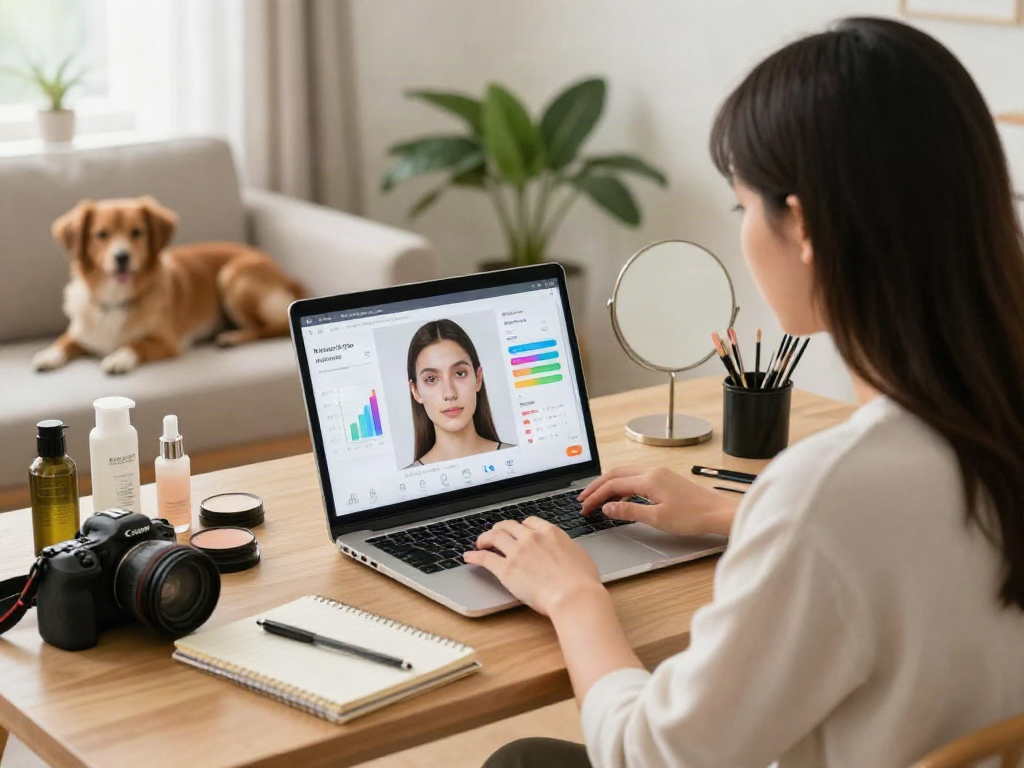
Understanding Attractiveness Tests
Attractiveness tests have gained widespread popularity, particularly with the advancement of technology and the rising demand for self-assessment tools. These tests utilize AI algorithms to analyze physical features, offering users an objective evaluation of their facial attractiveness. By engaging with an attractiveness test, individuals can gain insights into their attractiveness ratings, contributing to self-awareness and confidence-building.
What is an Attractiveness Test?
Attractiveness tests are tools designed to assess an individual's physical appearance based on various criteria. These criteria often include facial symmetry, proportions, and common beauty standards derived from cultural ideals. The tests generally require users to upload a clear photograph, which is then analyzed by an AI system that calculates an attractiveness score.
The notion of beauty is subjective, yet these tests attempt to provide a standardized measure through mathematical and scientific evaluations. Common metrics used by these tests include the golden ratio, facial symmetry indices, and alignment of facial features, which are recognized globally as indicators of aesthetic appeal.
How AI Technology Enhances Accuracy
Artificial Intelligence has revolutionized the way attractiveness tests operate. Traditional methods of evaluation relied heavily on human opinion, which can be inconsistent and biased. AI algorithms, however, are designed to analyze thousands of photographs, learning from a vast repository of data about what constitutes physical beauty.
These AI systems can assess various characteristics, such as:
- Facial Symmetry: The degree to which one side of the face mirrors the other, often linked to perceptions of beauty.
- Golden Ratio: A mathematical ratio that has been historically associated with ideal beauty standards.
- Feature Alignment: How well the eyes, nose, and mouth are aligned and proportioned.
This technology not only enhances accuracy but also provides personalized feedback, allowing users to understand specific aspects of their appearance that may contribute to or detract from their attractiveness score.
Common Misconceptions About Attractiveness
Despite the popularity of attractiveness tests, several misconceptions persist. One of the most prevalent is the belief that attractiveness is solely dependent on physical attributes. While features like symmetry and proportions play a significant role, factors such as personality, confidence, and the ability to connect with others are equally essential in determining perceived attractiveness.
Moreover, the results of an attractiveness test should not be taken as definitive judgments of worth or desirability. They are simply tools for self-reflection and do not encapsulate an individual's overall beauty or potential for attraction.
The Science Behind Attractiveness Ratings
Understanding the science behind attractiveness ratings provides essential insights into how these tests work and what they signify. Attractiveness is not merely about looks; it's a complex interplay of various visual and psychological factors.
Facial Features and Perceptions of Beauty
The human brain has evolved to respond favorably to certain facial features. Research indicates that specific traits, such as clear skin, well-defined jawlines, and symmetrical features, are often perceived as more attractive. This perception is not cultural but rather biological, as these features can indicate health and genetic fitness.
The Role of Symmetry and Proportion
Facial symmetry is a significant factor contributing to attractiveness. Studies show that people's brains are wired to prefer symmetrical faces, which are often associated with beauty and health. Furthermore, the golden ratio—a mathematical ratio found in nature and art—serves as a guide for beauty standards. Faces that exhibit proportions close to this ratio are generally rated more attractive across different cultures.
Psychological Insights into Attractiveness
Beyond physical features, psychology plays a crucial role in how we perceive attractiveness. Factors such as confidence, body language, and interpersonal dynamics can all enhance or diminish attractiveness. Moreover, social influences, personal experiences, and cultural background can shape individual perceptions of beauty, highlighting the subjective nature of attractiveness.
Benefits of Taking an Attractiveness Test
Participating in an attractiveness test can yield several benefits, particularly in terms of self-awareness and personal development.
Boosting Self-Esteem Through Objective Feedback
One of the primary advantages of an attractiveness test is the potential to boost self-esteem. By providing an objective assessment of physical features, individuals may gain a clearer understanding of their strengths and areas for enhancement. This knowledge can empower users to embrace their unique attributes and cultivate a more positive self-image.
Understanding Your Unique Beauty
Attractiveness tests can help individuals appreciate their unique beauty by highlighting specific features that are considered attractive. This personalized feedback enables users to recognize that beauty is diverse and varies greatly among individuals, fostering greater acceptance of one's appearance.
Using Results to Enhance Personal Style
The insights gained from an attractiveness test can inform personal style choices. By understanding which features are regarded as attractive, individuals can adjust their hairstyles, makeup, and clothing to better align with their perceived points of appeal. This strategic enhancement can lead to increased confidence in social settings and interactions.
How to Prepare for Your Attractiveness Test
Preparation is key to obtaining accurate results from an attractiveness test. Here are some tips to ensure a successful experience.
Choosing the Right Photo for Submission
When submitting a photo for analysis, select a high-quality image that clearly shows your face. Make sure the lighting is even, and avoid heavy filters or alterations that could skew the results. A straight-on shot with a neutral background is typically the best option.
Tips for Presenting Yourself Confidently
Confidence plays a significant role in how you are perceived by others. Before taking the test, focus on presenting yourself in a way that feels authentic and comfortable. A genuine smile and relaxed posture can enhance your overall attractiveness, even in a photograph.
Common Issues and How to Address Them
Many individuals may experience anxiety or self-doubt when engaging with an attractiveness test. It’s essential to approach the experience with an open mind and an understanding that results are not definitive. If you encounter issues, such as poor lighting or an unflattering angle, consider retaking the photo rather than settling for an image that doesn't fully represent you.
Attractiveness Test Trends in 2026
As we move deeper into the technological age, various trends are emerging in the realm of attractiveness assessment.
Emerging Technologies in Beauty Assessment
Cutting-edge technologies, including augmented reality (AR) and machine learning, are enhancing the way attractiveness is assessed. AR can allow users to visualize changes in their appearance in real-time, while machine learning algorithms continuously refine their evaluations as they learn from new data.
Social Implications of Attractiveness Ratings
The social impact of attractiveness ratings is multifaceted. While they can serve as tools for self-improvement, they may also perpetuate unrealistic beauty standards. It's crucial for users to be aware of the potential psychological consequences of relying on these scores as measures of self-worth.
Future Predictions for Personal Grooming and Beauty Standards
As society evolves, so too do beauty standards. The personalization of attractiveness tests could lead to a broader acceptance of diverse beauty norms. Instead of adhering strictly to conventional standards, future assessments may incorporate cultural variations and personal preferences.
What are the Key Insights from Attractiveness Tests?
Users can gain valuable insights from attractiveness tests, including the importance of symmetry, the impact of personal style on perceptions of beauty, and the uniqueness of individual attractiveness. Understanding these factors can lead to more informed decisions regarding personal grooming and self-presentation.
How to Address Common Concerns About AI and Beauty?
One common concern about AI in beauty assessment is the potential for bias in the algorithms. It’s imperative for developers to ensure that these systems are trained on diverse datasets that include a range of appearances and ethnicities to prevent reinforcing harmful stereotypes.
Can Attractiveness Tests Help with Dating or Relationships?
Attractiveness tests can provide useful insights for dating and relationships by helping individuals understand their strengths in the dating market. By knowing what features are attractive, users can present their best selves, which can enhance their social interactions and make them more appealing to potential partners.
What Should You Do After Receiving Your Attractiveness Score?
After obtaining your attractiveness score, reflect on the feedback provided. Use the insights to consider how you can enhance your style or address any concerns you might have about your appearance. Remember, these scores are not definitive judgments but valuable tools for self-improvement and self-acceptance.